Saradox continues to demonstrate its commitment to sustainability through its evolving rainwater harvesting (RWH) infrastructure.
Strategic Expansion of Rainwater Capacity
in 2014 the Saradox factory installed its first rainwater harvesting system, equipping it to collect rainfall for process water, providing resilience against municipal water interruptions and cost fluctuations, well ahead of time.
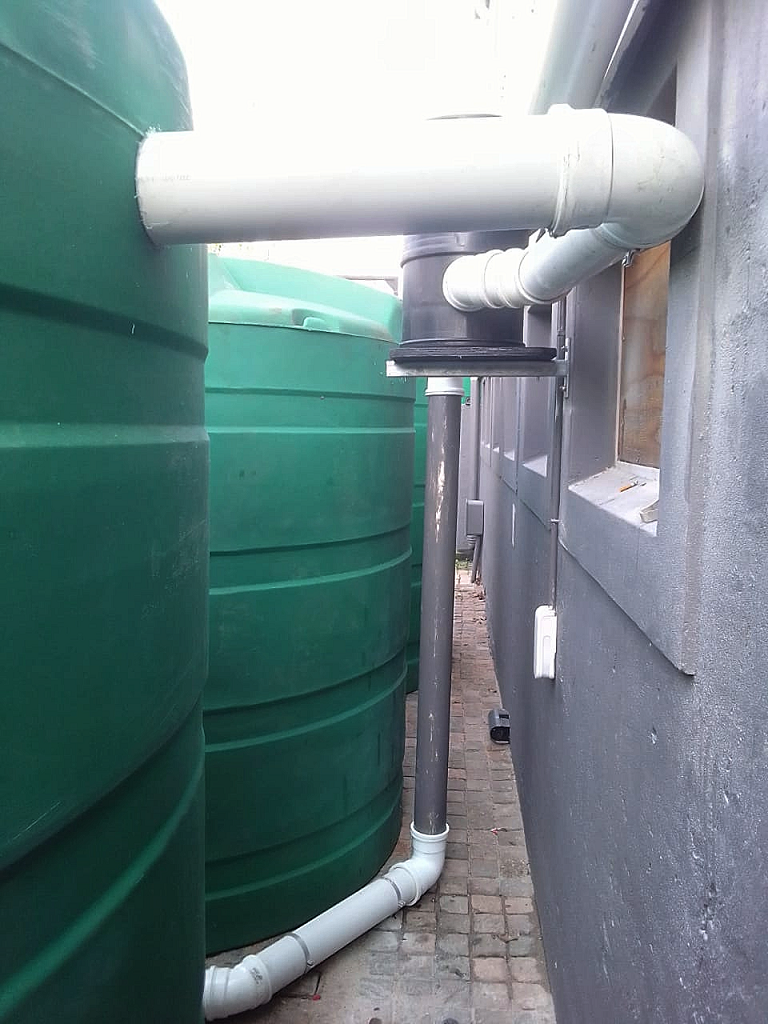
In November 2022, the factory strengthened, expanded and upgraded the system which allowed the factory to recover approximately 75,000 litres per 50 mm of rainfall—and increased overall storage to 80,000 liters.
With the addition of a new warehouse expansion, Saradox has now boosted its harvesting capacity to recovering 120,000 liters per rain event—further enhancing operational resilience.
Advanced Filtration & Treatment for Production-Grade Water
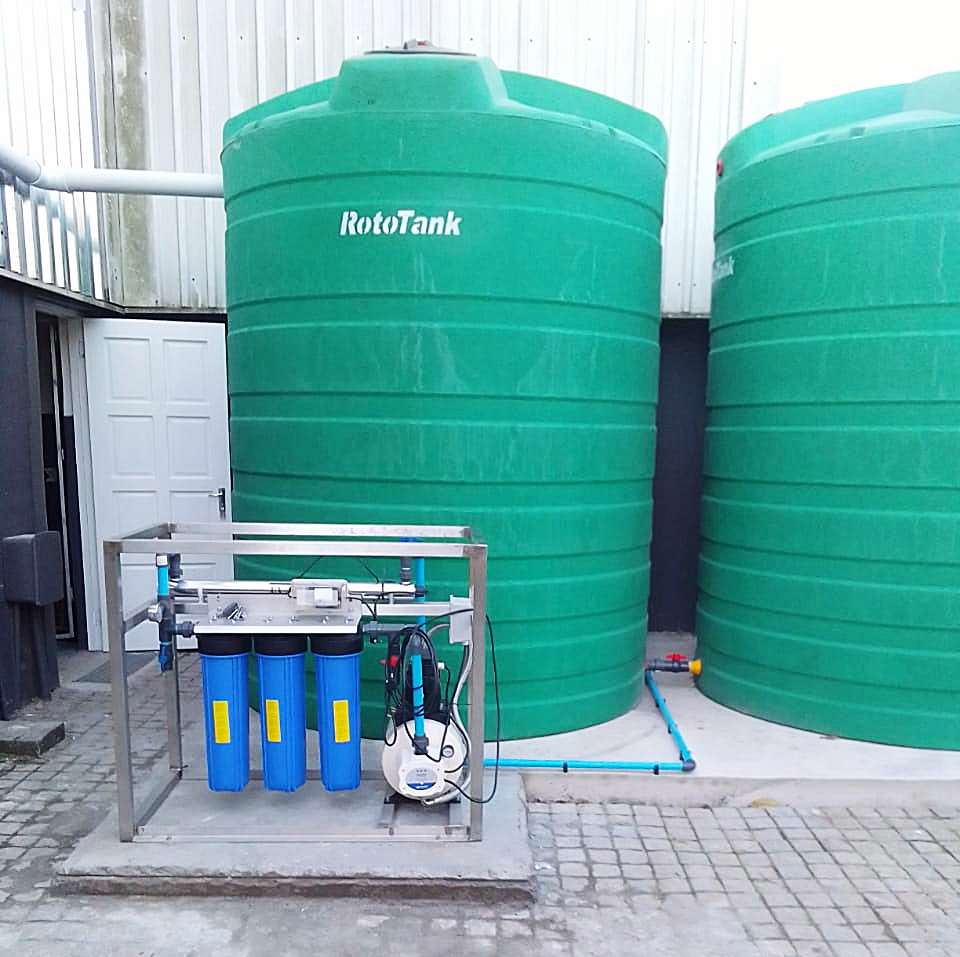
All harvested water is first pre‑filtered using WISY filters, and stored in tanks. Before usage in manufacturing processes, it undergoes a thorough purification regimen including filters, micro‑filters, and high‑intensity UV light treatment. This ensures the water quality meets stringent GMP standards suitable for product formulation.
Aligning with Broader Sustainability Goals
Saradox’s RWH initiative is part of its broader sustainability drive, leveraging the ample regional rainfall in the KZN region (over a 1,000 mm annually), to potentially harvest more than 5 million litres of rainwater per year. This harvested water contributes directly to production, helping conserve resources and reduce reliance on municipal supplies.
Resilience Amid Water Supply Challenges
Many companies in South Africa struggle to manage operational continuity during water shortages. Saradox is a pioneering example, having installed its rainwater system early in 2014, enabling it to remain functional during crises like the catastrophic Durban floods of April 2022, which saw municipal systems collapse. RWH not only supports environmental stewardship but also business continuity.
Saradox’s rainwater harvesting journey—from the initial system in 2014, through the 2022 expansion, and now the 120,000 litre capacity post‑warehouse growth—illustrates a clear trajectory of innovation, resilience, and sustainability. Our comprehensive treatment protocol ensures harvested water meets production-grade standards, while minimizing environmental impact.
As a business our forward-thinking infrastructure can transform sustainability challenges into competitive advantages—especially in water‑stressed regions.